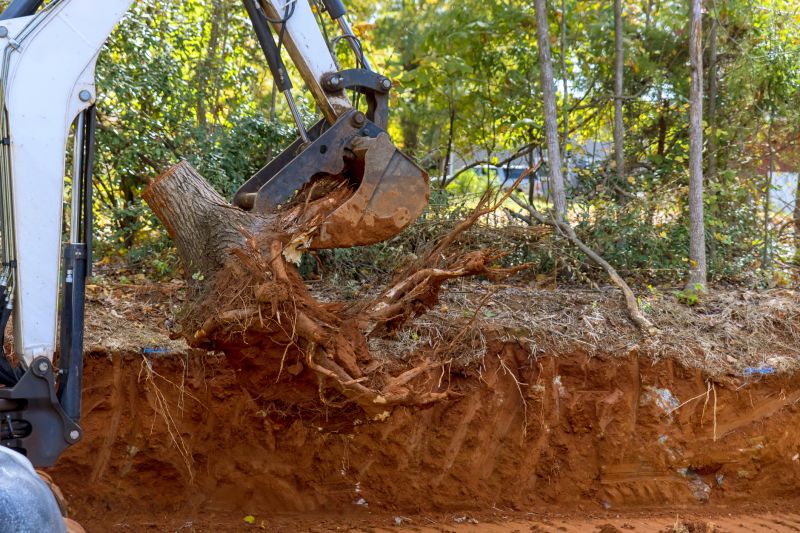
Tree Trunk Removal in Calvert County, MD
Tree trunk removal services involve the careful cutting and extraction of thick, mature tree sections that are no longer desired or pose a risk to the property. This service is commonly requested when trees have become damaged, diseased, or are obstructing structures, utilities, or landscaping features. Property owners often seek this work to improve safety, clear space for new construction or planting, or eliminate problematic trees that could potentially fall or cause damage during storms.
Before requesting tree trunk removal, property owners should consider the size and location of the trunk, as well as any nearby structures, power lines, or other trees. Understanding the scope of the project helps ensure proper planning and safety measures. It’s also helpful to know if permits are required in the area and to communicate any specific concerns about debris disposal or site cleanup. Clear information about these factors can facilitate a smooth and efficient removal process.
Many property owners in Calvert County, MD look into Tree Trunk Removal for repairs, replacements, upgrades, and appearance-related improvements.
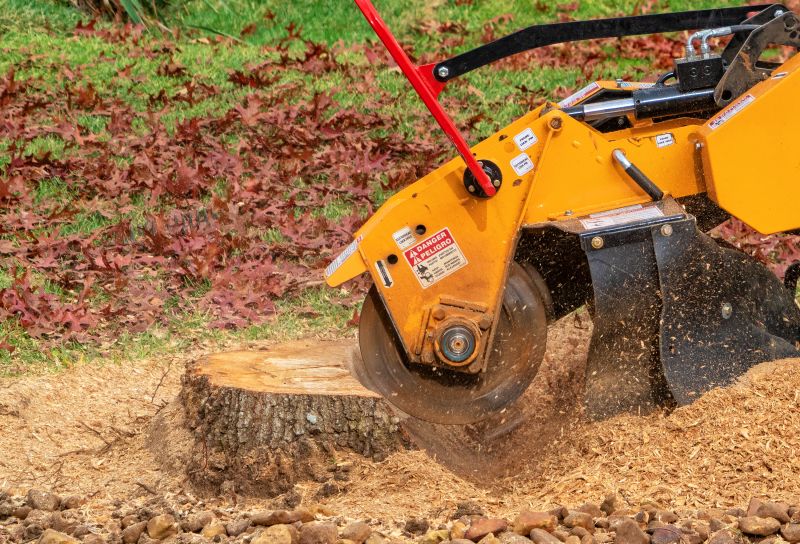
Tree Trunk Removal For Safety
Removing damaged or decayed trunks helps prevent property damage and personal injury.
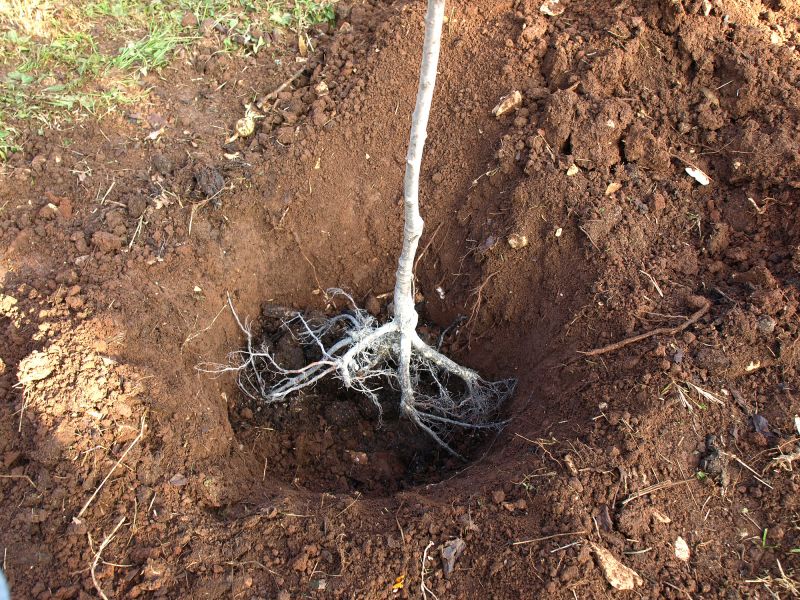
Enhancing Property Appearance
Trunk removal can improve the aesthetic appeal of yards and landscape features.
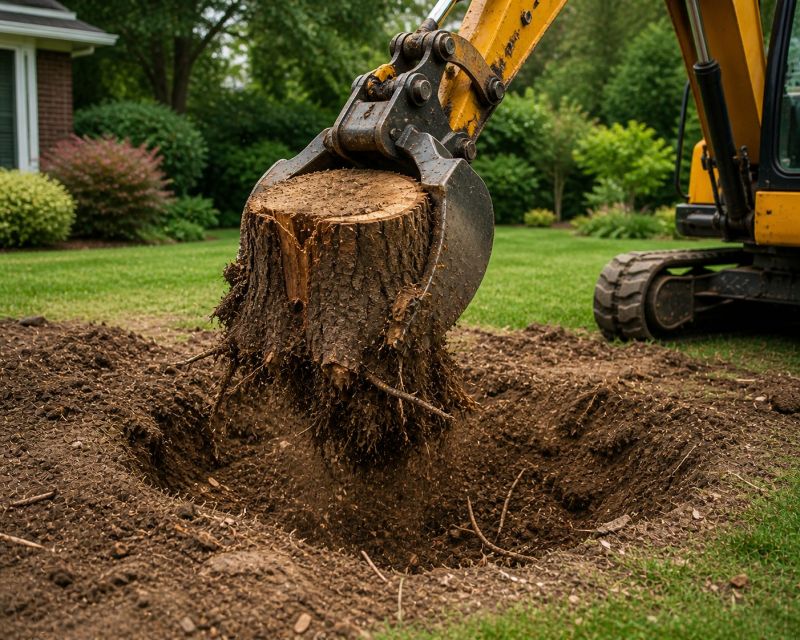
Preparing For Storm Seasons
Clearing out old or unstable trunks reduces the risk of storm-related damage in calvert county, md.
Tree Trunk Removal in Calvert County, MD
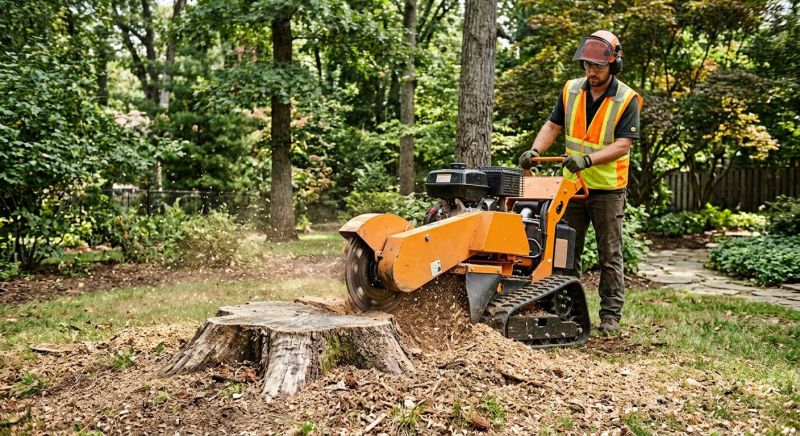
Tree trunk removal services involve the careful cutting and extraction of thick, mature tree sections that are no longer desired or pose a risk to the property. This service is commonly requested when trees have become damaged, diseased, or are obstructing structures, utilities, or landscaping features. Property owners often seek this work to improve safety, clear space for new construction or planting, or eliminate problematic trees that could potentially fall or cause damage during storms.
Before requesting tree trunk removal, property owners should consider the size and location of the trunk, as well as any nearby structures, power lines, or other trees. Understanding the scope of the project helps ensure proper planning and safety measures. It’s also helpful to know if permits are required in the area and to communicate any specific concerns about debris disposal or site cleanup. Clear information about these factors can facilitate a smooth and efficient removal process.
Many property owners in Calvert County, MD look into Tree Trunk Removal for repairs, replacements, upgrades, and appearance-related improvements.
Common Tree Trunk Removal Jobs
Tree trunk removal involves safely clearing out large tree bases to improve landscape safety and appearance.
Stump grinding reduces remaining tree trunks to below-ground level for a clean yard look.
Hazardous trunk removal addresses damaged or diseased trunks that pose safety risks.
Storm damage cleanup includes removing broken or fallen trunks after severe weather events.
Tree removal for construction prepares the property by clearing large trunks obstructing new projects.
Selective trunk removal targets specific trunks to manage tree growth and maintain landscape health.
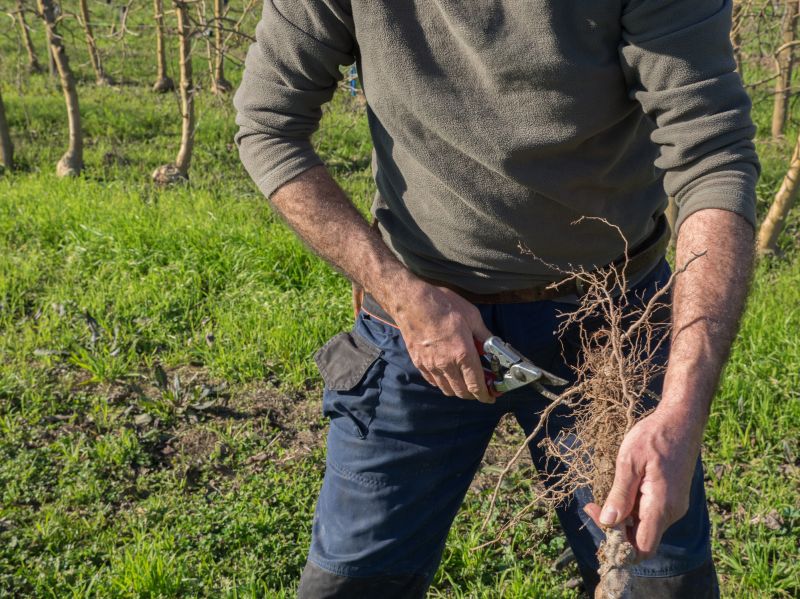
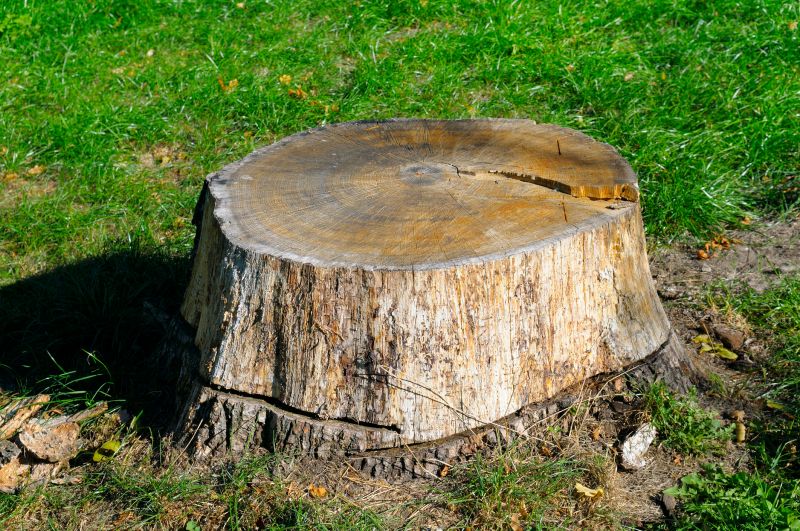
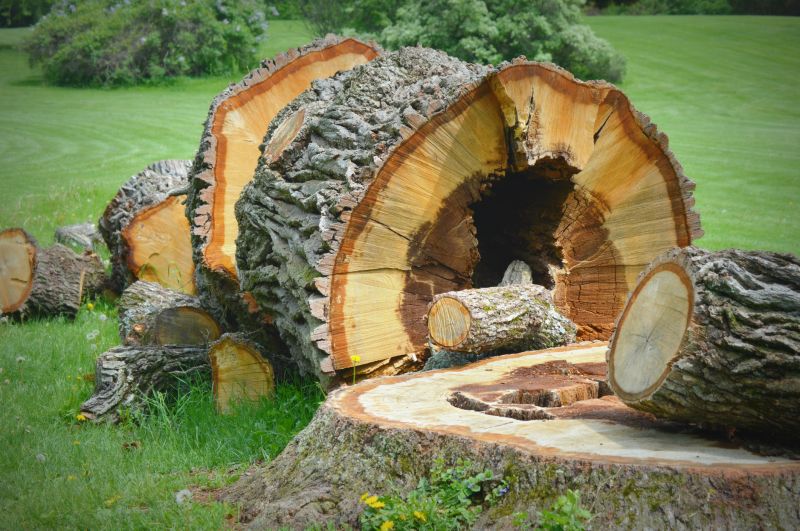
Tree Trunk Removal Questions
When is tree trunk removal necessary? Trunk removal is recommended when a tree is dead, diseased, or poses a risk to nearby structures or people.
What are common reasons for removing a tree trunk? Common reasons include storm damage, decay, or to clear space for construction or landscaping.
How does trunk removal affect the overall health of a tree? Removing the trunk typically means the tree cannot survive and is usually part of removing a hazardous or unwanted tree.
What should property owners consider before tree trunk removal? It's important to assess the location, size, and condition of the trunk to ensure safe and effective removal.
Request Tree Trunk Removal in Calvert County, MD
Use the quote form on this page to share the basics of your project and request more information for the type of work you need.